The Bristol, North Somerset and South Gloucestershire (BNSSG) COVID-19 Lived Experience Steering Group inputs directly a part local the health and social care structure that is co-ordinating the BNSSG mental health system’s response to the impact of the coronavirus (COVID-19) pandemic. The structure is known as the BNSSG Mental Health and Wellbeing Cell. This Cell itself has a number of subgroups responsible for a different aspect of the response.
Reps that sit on the main steering group may also sit on a number of the subgroups. More information about this structure is given below.
Meeting dates (the next meeting is highlighted in bold)
Click on past meeting dates to download a copy of the meeting notes.
- Wednesday 10 June 2020, 10:00 – 12:00
- Wednesday 24 June 2020, 10:00 – 12:00
- Wednesday 8 July 2020, 10:00 – 12:00
- Wednesday 23 July 2020, 10:00 – 12:00
- Wednesday 5 August 2020, 10:00 – 12:00
- Wednesday 19 August 2020, 10:00 – 12:00
Involvement opportunities and information
Information about the wider BNSSG Mental Health and Wellbeing Cell
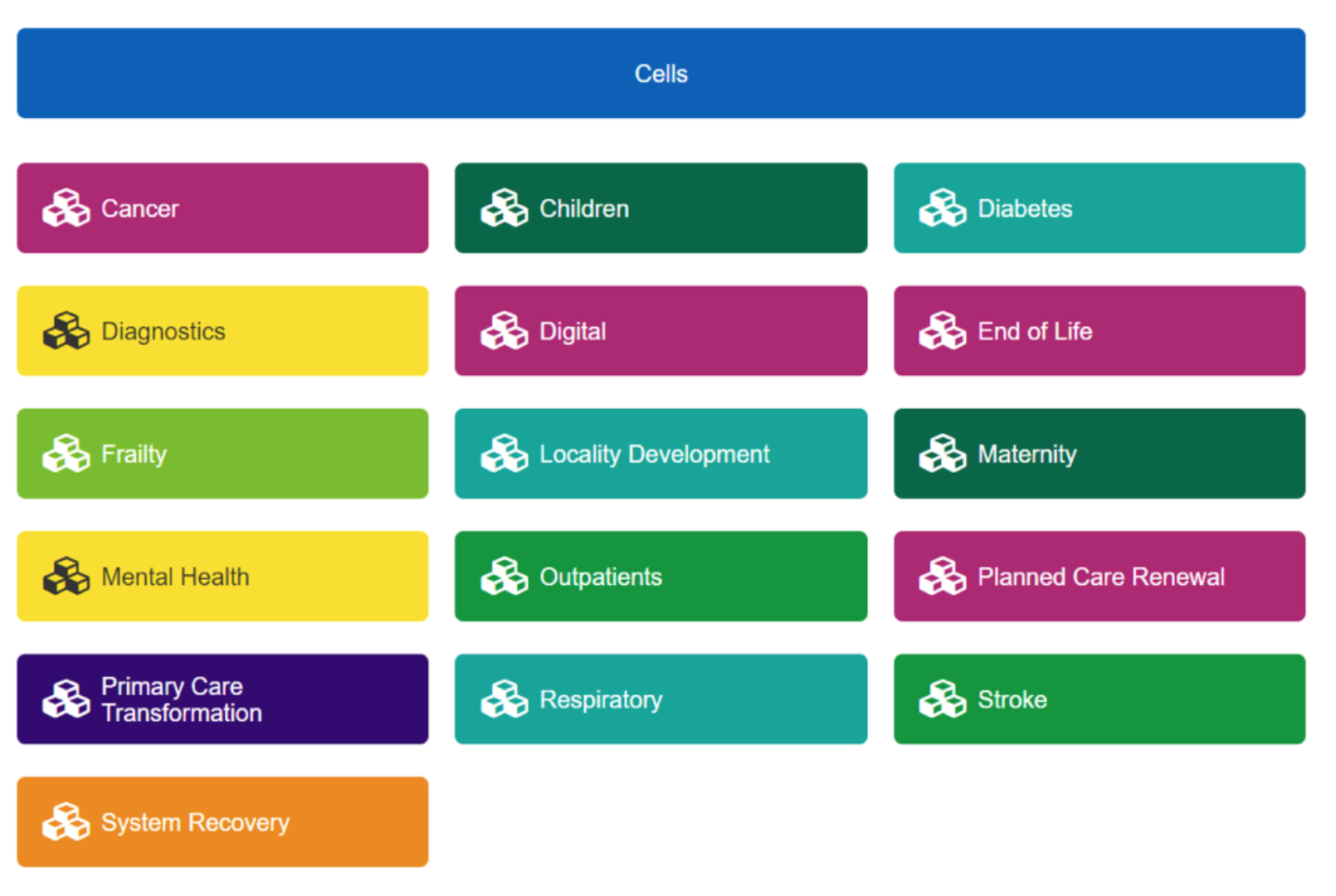
Locally, the health and social care response to the coronavirus pandemic is being overseen by a board known as South West Gold Command – this is the highest level of escalation for questions about local funding, priorities, and decisions. Beneath this there sits a BNSSG Health and Care Silver Command, underneath which there are a number of ‘Cells.’ Cells have their own sub-structures, and deal with different parts of the health and social care system including cancer, maternity, frailty, and end of life care. A full list of cells can be found by clicking here.
Formation of the Cell
The Cell most relevant to what we do is the Bristol, North Somerset and South Gloucestershire Mental Health & Wellbeing Cell.
This Cell originally formed in the middle of March 2020, and was initially a multi-agency meeting for partners in Bristol to determine what the immediate impacts of (what was then) the first weeks of lockdown were likely to be on people’s mental health and wellbeing. IMHN supported this early phase by comprehensively mapping how each mental health service and mental health support organisation was changing how it was operating in light of the lockdown. This has since become our coronavirus signposting guide.
By mid April, local groups had started to coalesce around the ‘Cell’ structure, and the BNSSG Mental Health & Wellbeing Cell met for the first time. At formation, the role of the cell was described as being to
- oversee key issues and risks affecting our population’s mental health and wellbeing, and offer a timely and effective response.
- unblock any challenges affecting our ability to provide high quality mental health support.
- respond to immediate needs whilst planning for the longer term psychological impact upon our population’s mental health.
- escalate key risks to Silver Command
- effectively communicate the work being undertaken; and act as a central point of contact for stakeholders and partners, ensuring we have a joint local authority and NHS response.
Subgroups were convened to prioritise the following topics:
- Children and young people’s mental health
- Learning disabilities and Autism
- Information and helplines
- Workforce impact
- Perinatal mental health
- Communications
- Community and voluntary sector
- Wellbeing
- Specialist mental heath support and primary care
- Secondary community mental health services
- Inpatient services
- Specialist and secure
Lived experience representation
IMHN secured spaces for members of the network with lived experience of mental health to start attending some of the levels.
Development of the 24/7 helpline
The NHS’ most recent Long Term Plan set out an ambition to have dedicated 24/7 telephone lines providing mental health support set up across the country. As a result of the coronavirus, this was brought forward, with services starting operations across the country during the first part of this year.
As part of this service starting in BNSSG, a project structure was convened within BNSSG CCG. This consisted of
- a dedicated project group
- a clinical subgroup
- a subgroup dealing with information management and technology
- a wellbeing subgroup (dealing with signposting)
- a communication subgroup
Lived experience reps sat on some of these subgroups, with Tom Renhard sitting on the dedicated project group to represent the network.
As well as this, IMHN hosted a focus group in June 2020, in order to inform elements of how the helpline would operate. An open recruitment process was conducted and attended by seventeen people with experience of accessing mental health services.
The helpline went live on Monday 13 July 2020. The project structure has since wound down.
The next phase of our involvement will be to investigate ways of contributing to monitoring and evaluation of this service.
Formation of the BNSSG COVID-19 Lived Experience Steering Group
Members of the focus group for the 24/7 helpline were invited to join a new meeting; our lived experience steering group. The group was re-purposed from a pre-existing steering group which had been convened and openly recruited to, in order to contribute to a different project towards the end of 2019 (this was the crisis pathways redesign project, which was temporarily paused when the coronavirus pandemic began).